Japońskie historie Pre-N5 — Czytanie dla zupełnie początkujących
Historie Pre-N5 wykorzystują wyłącznie proste struktury zdań, podstawowe słownictwo niezbędne do przetrwania (powitania, liczby, proste pytania) oraz najbardziej fundamentalną gramatykę. Najkrótsze teksty w bibliotece — idealne na twoje pierwsze próby czytania.
 Pre-N55 stron
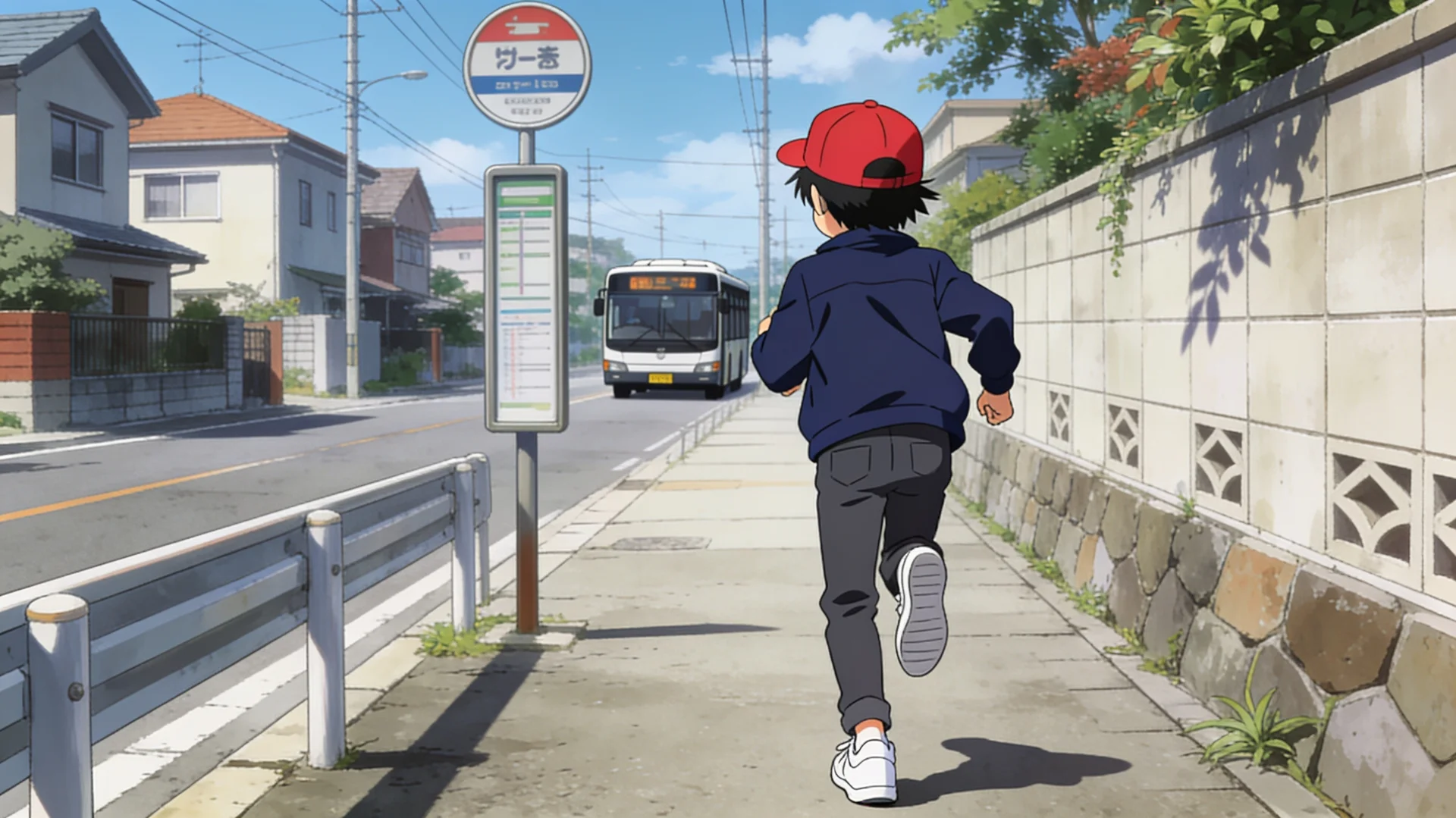
Ken korzysta z transportu - ケンは 乗り物に 乗ります
Ken podróżuje przez miasto autobusem, pociągiem i taksówką.
 Pre-N56 stron
Jak się przemieszczać - どうやって行く
Ken odkrywa świat samochodem, rowerem, autobusem i nie tylko.
 Pre-N55 stron
Podróż Czerwonej Parasolki - 赤い傘の旅
Magiczna czerwona parasolka odnajduje cel i radość w podniebnej podróży.
 Pre-N55 stron
Ken idzie spać - ケンはベッドへ
Relaksująca wieczorna rutyna Kena prowadzi do spokojnej nocy.
 Pre-N55 stron
Do Świątyni - 神社へ
Spokojna wizyta w chramie na cichy rytuał i refleksję.
 Pre-N55 stron
Makoto idzie do szkoły - マコトは学校へ行く
Poranna rutyna Makoto prowadzi go do szkoły i czekającej klasy.
 Pre-N55 stron
Obiad dwojga przyjaciół - ふたりのひるごはん
Rio i Mao siadają w małej restauracji, mając nadzieję na wspólny posiłek. Przeglądając menu, zauważają, że brakuje ich ulubionej potrawy, ale znajdują nową do wypróbowania. Kiedy doria dociera na stół, biorą kęs i odkrywają, że jest pyszna.
 Pre-N55 stron
Przygoda Ptaka - 鳥の冒険
Ciekawska ptaszyna znajduje i przynosi do domu lśniący skarb.
 Pre-N55 stron
Dzień Ślimaka - カタツムリの日
Ślimak cieszy się deszczową przygodą w ogrodzie i jej prostymi radościami.
 Pre-N55 stron
Chodźmy do zoo - 動物園へ行こう
Sobotnia, pouczająca przygoda Yuty w zoo.
 Pre-N56 stron
Słoneczne Miejsca - 日なたの場所
Kot Mike poszukuje najcieplejszych słonecznych miejsc na idealny dzień.
 Pre-N55 stron
Miejsca pracy - ワークプレイス
Poznaj różne miejsca pracy i ludzi, którzy pomagają społeczności.
 Pre-N55 stron
Pierwszy Matsuri - 初めての日本祭り
Mike przymierza yukatę i próbuje jedzenia ulicznego na swoim pierwszym matsuri.
Czym jest Pre-N5? Twój pierwszy krok w czytaniu po japońsku
Pre-N5 leży przed początkiem oficjalnej skali JLPT. To poziom dla uczących się, którzy właśnie ukończyli oba japońskie sylabariusze (hiraganę i katakanę) i szukają pierwszego prawdziwego kontaktu z czytaniem po japońsku — krótkiego, bez presji, z tłumaczeniem na każdej stronie.
Na tym poziomie nasze historie są krótkie: od 100 do 250 japońskich znaków, rozłożonych na dokładnie 5 stronach. Słownictwo pozostaje w najbardziej podstawowym zakresie — zwroty niezbędne do przetrwania, powitania, liczby, terminy pokrewieństwa, proste czasowniki (jeść, iść, widzieć). Gramatyka jest na poziomie Pre-N5: wyłącznie proste struktury zdań, żadnych złożonych koniugacji, żadnych łączonych zdań podrzędnych.
Sens czytania na poziomie Pre-N5 tkwi w rytmie. Japoński ma własne tempo — partykuły (は, が, を), zakończenia zdań (です, ます), sposób, w jaki czasowniki stoją na końcu zdania. Kto przeczyta na tym poziomie 5 lub 10 krótkich historii, zakotwiczy to tempo, zanim gramatyka wypełni obraz na N5.
Wskazówki nauki dla Pre-N5
- Czytaj na głos. Jeśli wciąż budujesz swoją szybkość i czytasz po cichu, przeskakujesz do przodu i tracisz wymowę. Wypowiadaj każde słowo.
- Nie tłumacz słowo po słowie. Przeczytaj całe zdanie po japońsku, a potem sprawdź polską wersję. Dosłowne tłumaczenie utrwala złe nawyki czytelnicze.
- Czytaj każdą historię dwa razy. Pierwsze czytanie: uchwycić sens. Drugie czytanie: zwrócić uwagę na partykuły (は, が, を, に, で).
- Celuj w 10 minut dziennie. Przy tej długości to 1 do 2 historii.
- Nie pomijaj słów w katakanie. To zwykle zapożyczenia (コーヒー, テレビ, コンピューター) — sens jest łatwy, ale samo pismo wymaga ćwiczenia.
Czytanie Pre-N5 — najczęściej zadawane pytania
Właśnie skończyłem uczyć się hiragany. Mogę zacząć tutaj?
Tak — historie Pre-N5 są przeznaczone właśnie dla ciebie. Gdy tylko potrafisz odczytać hiraganę (a najlepiej także katakanę), możesz ruszać. Słownictwo ogranicza się do najczęstszych słów, a zdania są bardzo krótkie.
Czy historie Pre-N5 używają kanji?
Tak. Gęstość kanji jest taka sama na wszystkich naszych poziomach — to, co zmienia się z poziomu na poziom, to długość, złożoność gramatyczna i głębia narracyjna. Polskie tłumaczenie na każdej stronie pozwala ci czytać jednym ciągiem, nawet jeśli jeszcze nie rozpoznajesz danego kanji.
Jak długo zostać na Pre-N5?
Tak długo, aż czytanie krótkich japońskich zdań stanie się przyjemne. Większość uczących się spędza na tym 2 do 4 tygodni. Gdy przestaniesz świadomie analizować każde słowo i będziesz czytać całe krótkie zdania jednym tchem, przejdź do JLPT N5.
Jak długa jest historia Pre-N5?
Od 100 do 250 japońskich znaków na dokładnie 5 stronach — około 5 minut przy pierwszym czytaniu, 3 minuty przy ponownym.
A po Pre-N5, dokąd dalej?
Do JLPT N5. Gramatyka otwiera się na formy です/ます, partykuły は/が, podstawowe koniugacje czasowników i proste struktury z przymiotnikami. Historie stają się nieco dłuższe (250–400 znaków, nadal 5 stron) i zaczynają obejmować sytuacje z życia codziennego.
350+ historii, natywne audio, tap-to-translate — w aplikacji
Darmowa biblioteka webowa to wybrany fragment. Aplikacja Shinobi ma ponad 350 unikalnych graduowanych historii, natywne audio na każdej stronie, tap-to-translate na każdym słowie, wyszukiwanie w słowniku JMDict i powtórki SRS.