Histórias japonesas Pre-N5 — Leitura para principiantes absolutos
As histórias Pre-N5 utilizam apenas estruturas frásicas básicas, um vocabulário de sobrevivência (saudações, números, perguntas simples) e a gramática mais fundamental. Os textos mais curtos da biblioteca — perfeitos para as tuas primeiras leituras.
 Pre-N55 páginas
Para o Santuário - 神社へ
Uma visita tranquila a um santuário para ritual silencioso e reflexão.
 Pre-N55 páginas
Ken Vai para a Cama - ケンはベッドへ
A rotina calma de Ken à noite leva a um pacífico boa noite.
 Pre-N55 páginas
Makoto Vai para a Escola - マコトは学校へ行く
A rotina matinal de Makoto leva-o à escola e à sua sala de aula à espera.
 Pre-N55 páginas
O Dia do Caracol - カタツムリの日
Um caracol curte uma aventura no jardim chuvoso e suas alegrias simples.
 Pre-N55 páginas
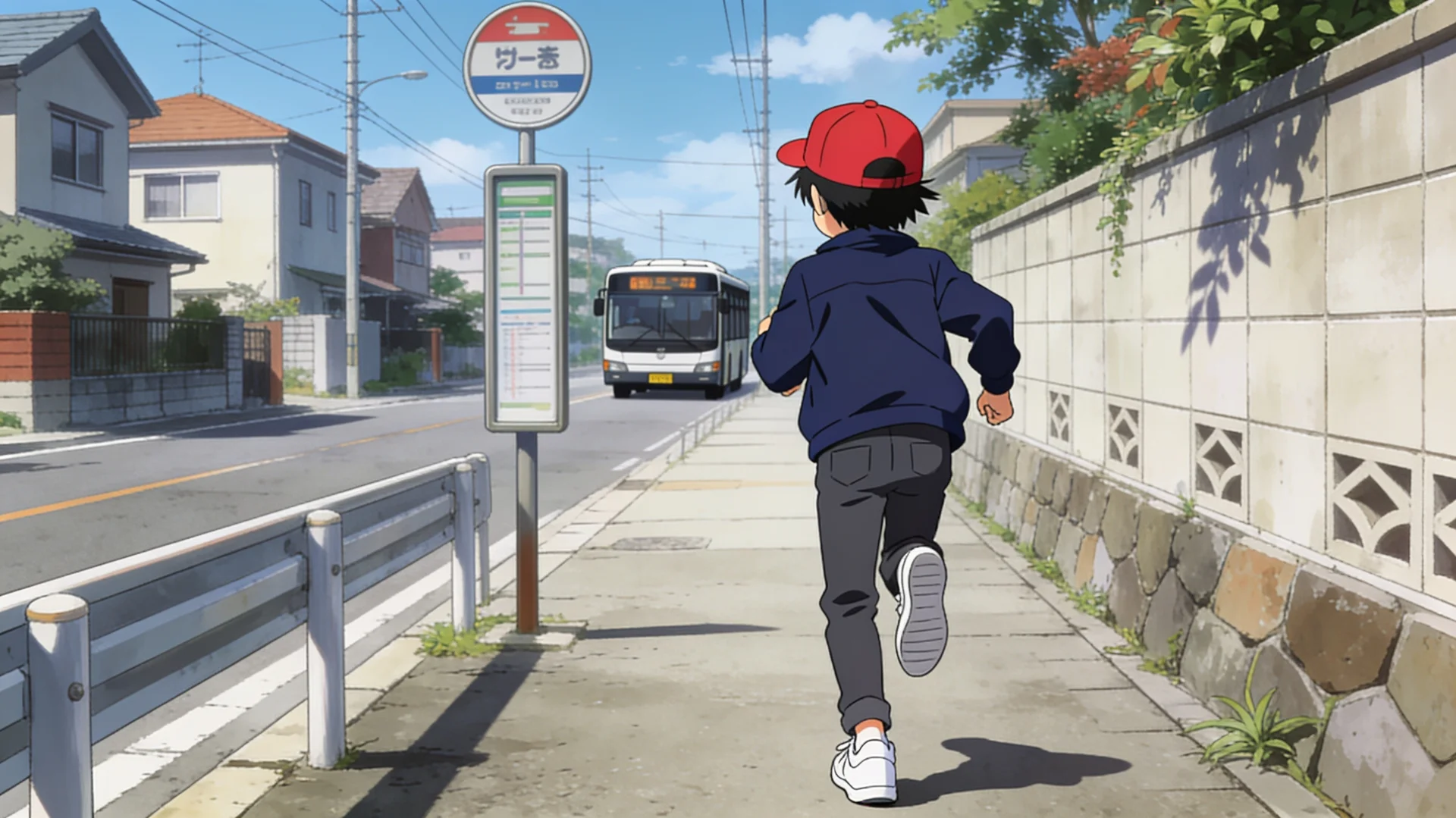
Ken Usa o Transporte - ケンは 乗り物に 乗ります
Ken viaja pela cidade de ônibus, trem e táxi.
 Pre-N56 páginas
Como ir - どうやって行く
Ken explora o mundo de carro, bicicleta, ônibus e muito mais.
 Pre-N55 páginas
Almoço de Dois Amigos - ふたりのひるごはん
Rio e Mao sentam-se em um pequeno restaurante, esperando compartilhar uma refeição juntos. Enquanto olham o cardápio, percebem que um prato favorito está faltando, mas encontram um novo para experimentar. Quando a doria chega, eles dão uma mordida e descobrem que está deliciosa.
 Pre-N55 páginas
A Aventura do Pássaro - 鳥の冒険
Um pássaro curioso encontra e leva para casa um tesouro brilhante.
 Pre-N55 páginas
A Jornada do Guarda-Chuva Vermelho - 赤い傘の旅
Um guarda-chuva vermelho mágico encontra propósito e alegria em uma jornada rumo ao céu.
 Pre-N56 páginas
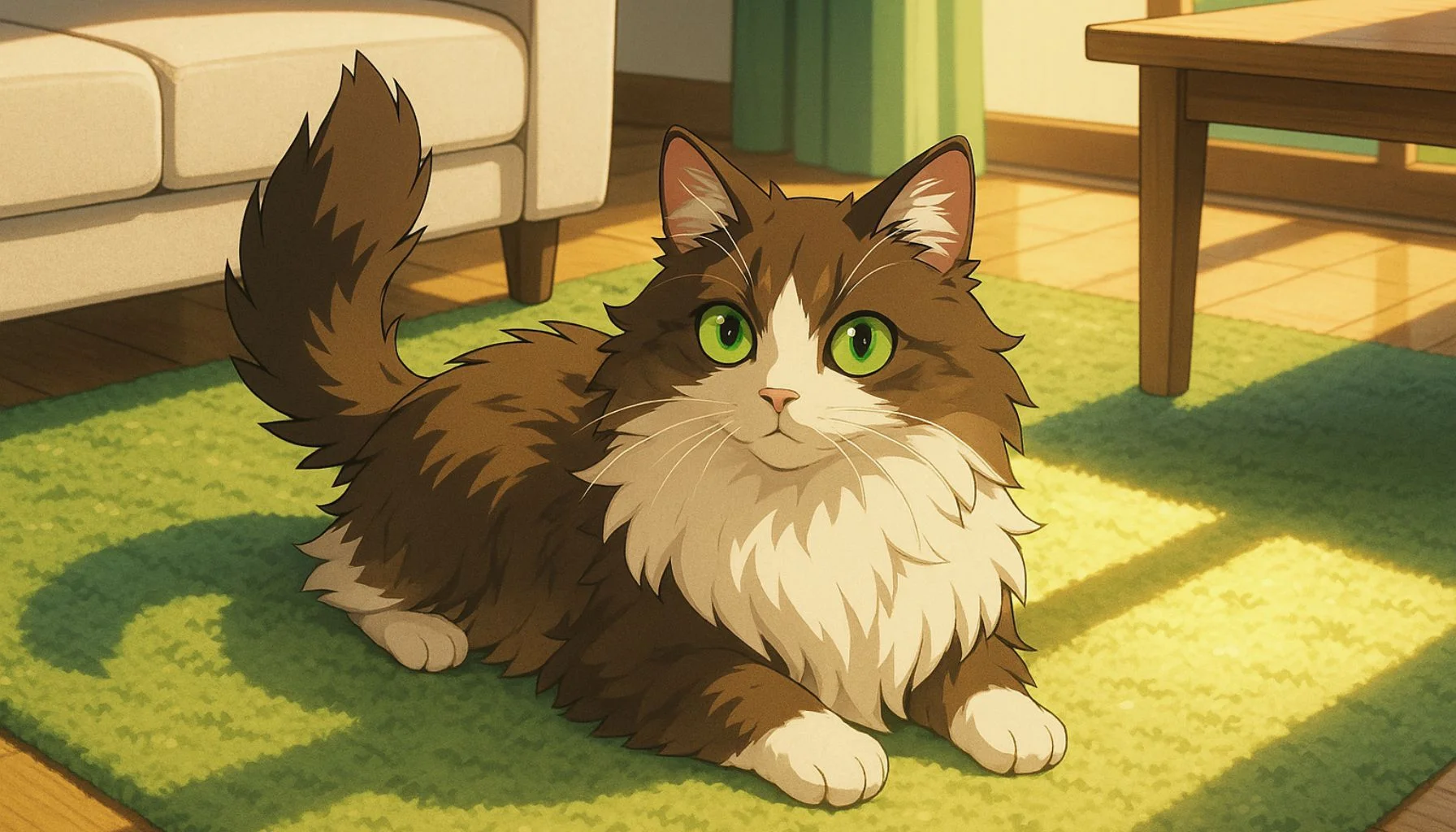
Lugares Ensolarados - 日なたの場所
Mike, o gato, busca os pontos de sol mais quentes para um dia perfeito.
 Pre-N55 páginas
Primeiro Matsuri - 初めての日本祭り
Mike experimenta yukata e comida de rua em seu primeiro matsuri.
 Pre-N55 páginas
Vamos ao Zoológico - 動物園へ行こう
A aventura divertida e educativa de Yuta no sábado, no zoológico.
 Pre-N55 páginas
Locais de Trabalho - ワークプレイス
Explore diferentes locais de trabalho e as pessoas que ajudam a comunidade.
O que é o Pre-N5? O teu primeiro passo na leitura do japonês
O Pre-N5 situa-se antes do início da escala oficial do JLPT. É o nível para os aprendentes que acabaram de terminar os dois alfabetos japoneses (hiragana e katakana) e que querem um primeiro contacto real com a leitura do japonês — curto, sem pressão, com uma tradução em cada página.
Neste nível, as nossas histórias são curtas: 100 a 250 caracteres japoneses, distribuídos por exatamente 5 páginas. O vocabulário permanece na base mais fundamental — frases de sobrevivência, saudações, números, termos de parentesco, verbos de base (comer, ir, ver). A gramática é Pre-N5: apenas estruturas frásicas básicas, sem conjugações complexas, sem orações encadeadas.
O interesse da leitura em Pre-N5 está no ritmo. O japonês tem o seu próprio tempo — as partículas (は, が, を), as terminações de frase (です, ます), a forma como os verbos se assentam no fim da oração. Ler 5 ou 10 histórias curtas neste nível ancora esse tempo antes de a gramática carregar o quadro no N5.
Dicas de estudo para Pre-N5
- Lê em voz alta. Se leres em silêncio enquanto ainda estás a construir velocidade, saltas à frente e perdes a pronúncia. Diz cada palavra.
- Não traduzas palavra a palavra. Lê uma frase inteira em japonês e só depois verifica o português. A tradução palavra a palavra instala o mau hábito de leitura.
- Relê cada história duas vezes. Primeira leitura: captar o sentido. Segunda leitura: observar as partículas (は, が, を, に, で).
- Aponta para 10 minutos por dia. Com esta extensão, dá 1 a 2 histórias.
- Não saltes as palavras em katakana. São em geral estrangeirismos (コーヒー, テレビ, コンピューター) — sentido fácil, mas o próprio alfabeto exige treino.
Leitura Pre-N5 — perguntas frequentes
Acabei de aprender os hiraganas. Posso começar aqui?
Sim — é precisamente a ti que as histórias Pre-N5 se dirigem. A partir do momento em que consegues decifrar os hiraganas (e idealmente também os katakanas), podes lançar-te. O vocabulário mantém-se nas palavras mais frequentes e as frases são muito curtas.
As histórias Pre-N5 usam kanjis?
Sim. A densidade de kanjis é a mesma em todos os nossos níveis — o que muda de um nível para o outro é a extensão, a complexidade gramatical e a profundidade narrativa. A tradução portuguesa em cada página permite-te ler de uma só vez, mesmo que ainda não reconheças um kanji.
Quanto tempo se deve ficar no Pre-N5?
Até que ler frases japonesas curtas se torne confortável. A maioria dos aprendentes passa aqui 2 a 4 semanas. Quando deixares de analisar conscientemente cada palavra e leres frases curtas inteiras de um fôlego, passa ao JLPT N5.
Qual é a extensão de uma história Pre-N5?
100 a 250 caracteres japoneses em exatamente 5 páginas — cerca de 5 minutos na primeira leitura, 3 minutos na releitura.
E depois do Pre-N5, para onde se vai?
Para o JLPT N5. A gramática abre-se às formas です/ます, às partículas は/が, às conjugações verbais de base e às estruturas simples com adjetivos. As histórias alongam-se um pouco (250–400 caracteres, ainda 5 páginas) e começam a abranger situações da vida quotidiana.
350+ histórias, áudio nativo, tap-to-translate — no app
A biblioteca web grátis é uma seleção curada. O app Shinobi tem mais de 350 histórias graduadas únicas, áudio nativo em cada página, tap-to-translate em cada palavra, consulta ao dicionário JMDict e revisão SRS.