Storie giapponesi Pre-N5 — Lettura per principianti assoluti
Le storie Pre-N5 usano esclusivamente strutture di frase semplici, un vocabolario di sopravvivenza (saluti, numeri, domande semplici) e la grammatica più basilare. I testi più brevi della biblioteca — perfetti per le tue primissime letture.
 Pre-N55 pagine
Verso il Santuario - 神社へ
Una visita tranquilla a un santuario per rituali silenziosi e riflessione.
 Pre-N55 pagine
Ken va a letto - ケンはベッドへ
La tranquilla routine serale di Ken conduce a una pacifica buonanotte.
 Pre-N55 pagine
Makoto va a scuola - マコトは学校へ行く
La routine mattutina di Makoto lo conduce a scuola e alla sua aula che lo aspetta.
 Pre-N55 pagine
Il Giorno della Lumaca - カタツムリの日
Una lumaca vive un'avventura piovosa in giardino e le sue semplici gioie.
 Pre-N55 pagine
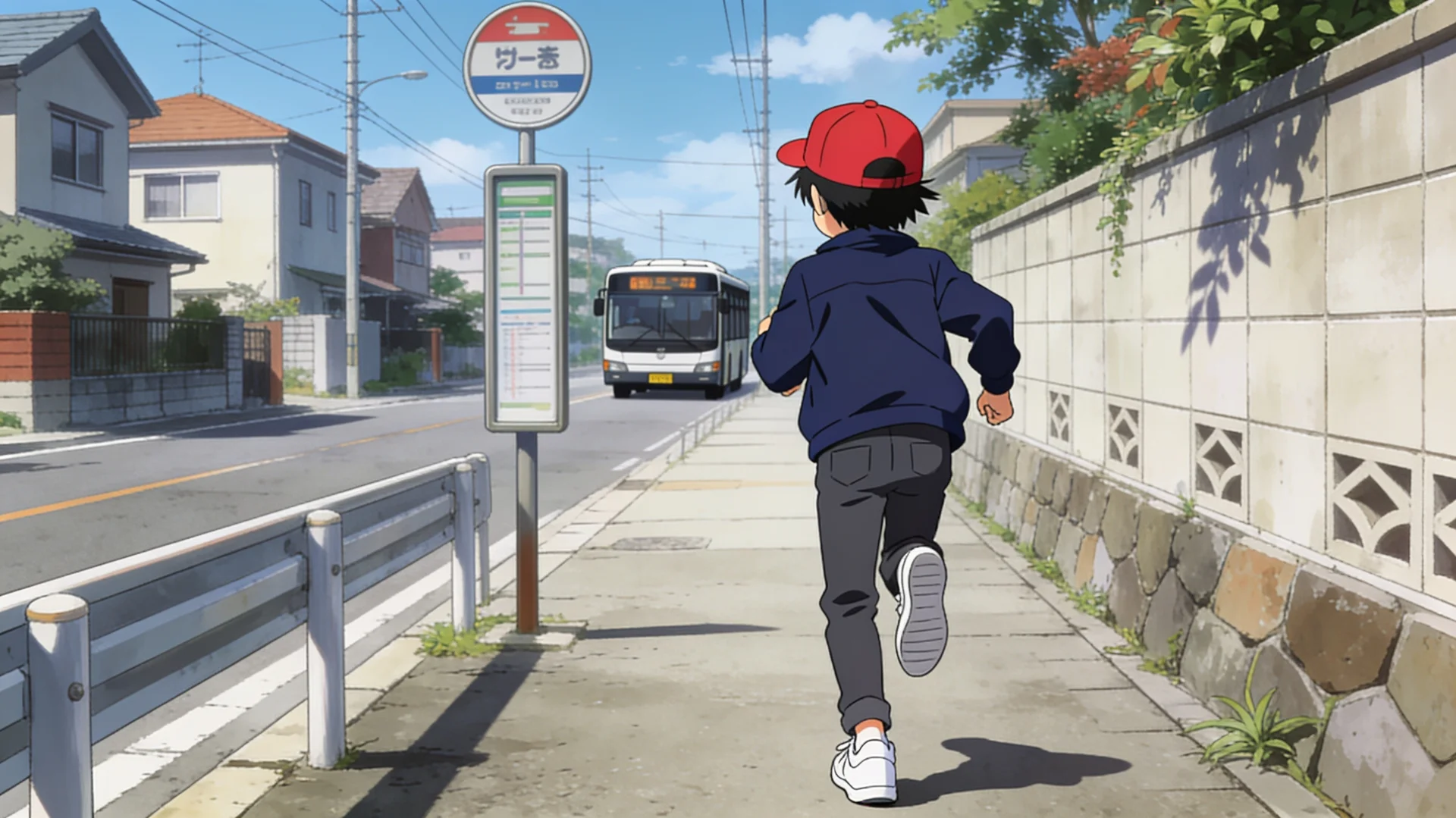
Ken Prende i Mezzi di Trasporto - ケンは 乗り物に 乗ります
Ken attraversa la città in autobus, treno e taxi.
 Pre-N56 pagine
Come andare - どうやって行く
Ken esplora il mondo in auto, bici, autobus e altro ancora.
 Pre-N55 pagine
Il Pranzo di Due Amici - ふたりのひるごはん
Rio e Mao si siedono in un piccolo ristorante, sperando di condividere un pasto insieme. Mentre guardano il menu, notano che manca un piatto che amano, ma ne trovano uno nuovo da provare. Quando arriva la doria, ne prendono un boccone e scoprono che è deliziosa.
 Pre-N55 pagine
L'avventura dell'uccello - 鳥の冒険
Un uccello curioso trova e porta a casa un tesoro scintillante.
 Pre-N55 pagine
Il Viaggio dell'Ombrello Rosso - 赤い傘の旅
Un magico ombrello rosso trova scopo e gioia in un viaggio verso il cielo.
 Pre-N56 pagine
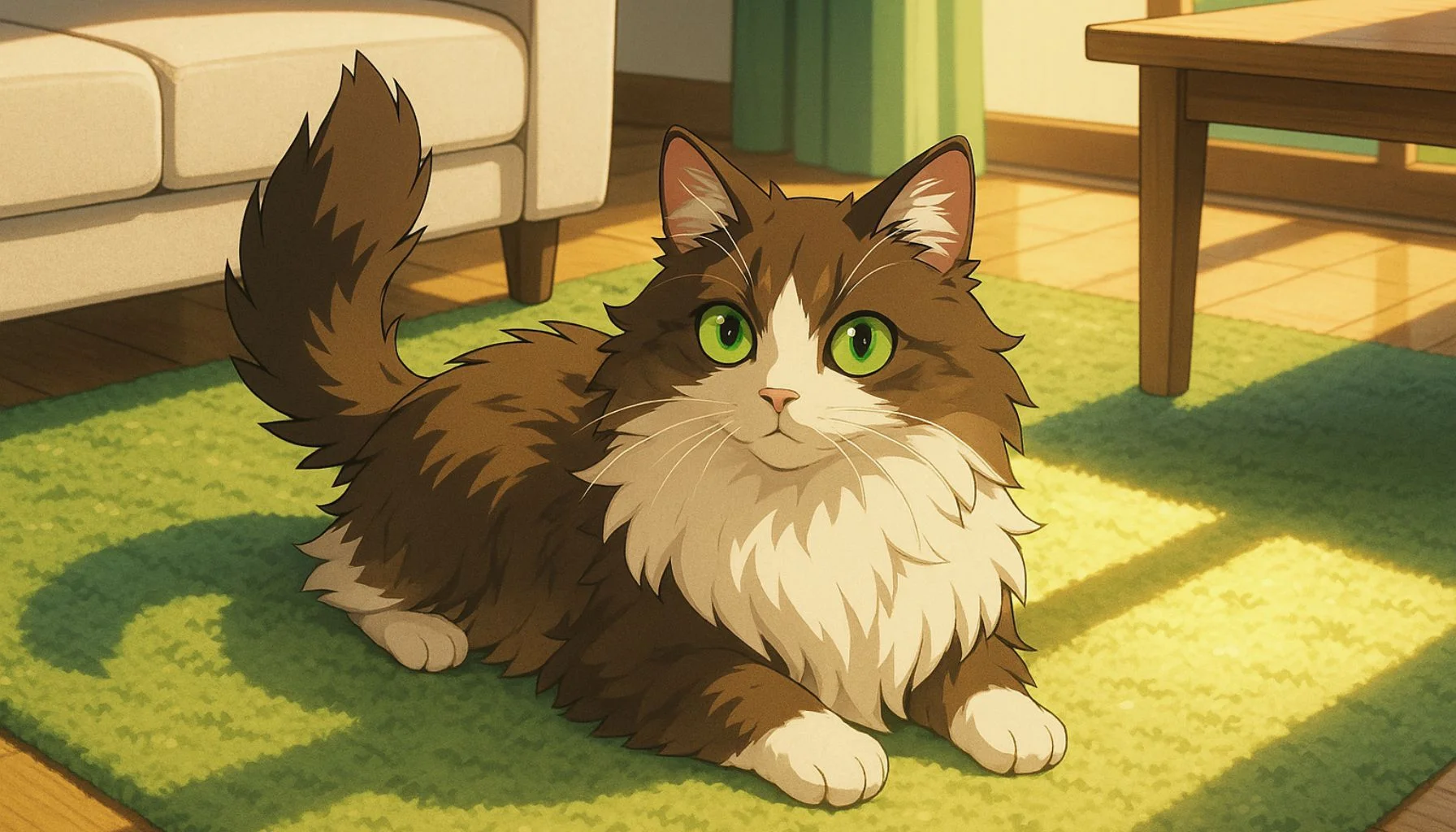
Punti Soleggiati - 日なたの場所
Mike il gatto cerca i punti più soleggiati per una giornata perfetta.
 Pre-N55 pagine
First Matsuri - 初めての日本祭り
Mike prova uno yukata e il cibo di strada al suo primo matsuri.
 Pre-N55 pagine
Andiamo allo Zoo - 動物園へ行こう
L'avventura divertente ed educativa di Yuta allo zoo di sabato.
 Pre-N55 pagine
Luoghi di lavoro - ワークプレイス
Esplora diversi luoghi di lavoro e le persone che aiutano la comunità.
Cos'è il Pre-N5? Il tuo primo passo nella lettura del giapponese
Il Pre-N5 si colloca prima dell'inizio della scala ufficiale del JLPT. È il livello per chi ha appena finito i due sillabari giapponesi (hiragana e katakana) e cerca un primo vero contatto con la lettura del giapponese — breve, senza pressione, con una traduzione in ogni pagina.
A questo livello le nostre storie sono brevi: da 100 a 250 caratteri giapponesi, distribuiti su esattamente 5 pagine. Il vocabolario resta nella base più fondamentale — frasi di sopravvivenza, saluti, numeri, termini familiari, verbi di base (mangiare, andare, vedere). La grammatica è Pre-N5: solo strutture di frase semplici, nessuna coniugazione complessa, nessuna proposizione concatenata.
Il senso della lettura al Pre-N5 sta nel ritmo. Il giapponese ha un suo tempo — le particelle (は, が, を), le terminazioni di frase (です, ます), il modo in cui i verbi si posano alla fine della proposizione. Leggere 5 o 10 storie brevi a questo livello fissa quel tempo prima che la grammatica riempia il quadro al N5.
Consigli di studio per Pre-N5
- Leggi ad alta voce. Se leggi in silenzio mentre stai ancora costruendo la velocità, salti avanti e perdi la pronuncia. Pronuncia ogni parola.
- Non tradurre parola per parola. Leggi un'intera frase in giapponese, poi controlla l'italiano. La traduzione parola per parola installa la cattiva abitudine di lettura.
- Rileggi ogni storia due volte. Prima lettura: cogliere il senso. Seconda lettura: osservare le particelle (は, が, を, に, で).
- Punta a 10 minuti al giorno. A questa lunghezza fa 1 o 2 storie.
- Non saltare le parole in katakana. Di solito sono prestiti (コーヒー, テレビ, コンピューター) — senso facile, ma l'alfabeto stesso richiede allenamento.
Lettura Pre-N5 — domande frequenti
Ho appena finito gli hiragana. Posso iniziare da qui?
Sì — è proprio a te che si rivolgono le storie Pre-N5. Finché riesci a decifrare gli hiragana (e idealmente anche i katakana), puoi cominciare. Il vocabolario resta tra le parole più frequenti e le frasi sono molto brevi.
Le storie Pre-N5 usano i kanji?
Sì. La densità di kanji è la stessa a tutti i nostri livelli — ciò che cambia da un livello all'altro sono la lunghezza, la complessità grammaticale e la profondità narrativa. La traduzione italiana in ogni pagina ti permette di leggere d'un fiato anche se non riconosci ancora un kanji.
Quanto tempo restare al Pre-N5?
Finché leggere frasi giapponesi brevi non diventa comodo. La maggior parte di chi studia ci passa dalle 2 alle 4 settimane. Quando smetti di analizzare consapevolmente ogni parola e leggi intere frasi brevi in un respiro, passa al JLPT N5.
Quanto è lunga una storia Pre-N5?
Da 100 a 250 caratteri giapponesi su esattamente 5 pagine — circa 5 minuti alla prima lettura, 3 minuti alla rilettura.
E dopo il Pre-N5, dove si va?
Al JLPT N5. La grammatica si apre alle forme です/ます, alle particelle は/が, alle coniugazioni verbali di base e alle strutture semplici con aggettivi. Le storie si allungano un po' (250–400 caratteri, sempre 5 pagine) e iniziano a coprire situazioni della vita quotidiana.
350+ storie, audio nativo, tap-to-translate — nell'app
La libreria web gratuita è una selezione curata. L'app Shinobi ha oltre 350 storie graduate uniche, audio nativo su ogni pagina, tap-to-translate su ogni parola, ricerca nel dizionario JMDict e ripasso SRS.